

Exfoliating skin the right way with glycolic pads really comes down to two separate skills: picking a pad strong enough to actually clear dead skin buildup, and using it in an order and a frequency that doesn't wreck your barrier while you're at it. I spend most of my week behind the wheel on a regional route, long stretches with sun cooking through the driver's side window and recycled cab air drying my face out by hour four. By the time I clock out, my skin looks flat and gray no matter how much water I drink or how thick a moisturizer I layer on. A dermatology PA I saw for an unrelated rash last spring told me straight out that the dullness and rough patches I was describing were dead skin buildup, plain and simple, and that a glycolic acid pad used correctly would do more in a month than anything else I'd tried in two years.
I picked up MAREE Glycolic Acid Pads, 20% glycolic acid with 2% salicylic acid, mostly because the jar actually listed real percentages instead of vague marketing language. I got the first two weeks wrong, wiping my whole face down every single night like I was clearing bugs off a windshield, and my skin let me know fast, tight cheeks, patches of pink that stuck around into the next afternoon, a stinging that lasted way longer than it should have. Once I slowed down and built an actual routine around frequency, layering order, and sun protection, the payoff showed up in about three weeks, smoother texture under my fingers, fewer of those small bumps along my jaw, and a tone that looked healthier without needing a filter to notice it in a bathroom mirror.
My skin runs on the sensitive side, the kind that flares if I switch products too fast, so I went in cautious. If that's you too, everything below is written for that. Glycolic acid works by dissolving the glue holding dead skin cells together, it's not a scrub, and most of the irritation people blame on the acid itself is actually caused by using it too often, too soon, or stacking it with something else on the same night.
Stop guessing at strength and start with numbers you can trust
Every step in this guide is built around MAREE Glycolic Acid Pads, 20% glycolic acid plus 2% salicylic acid, 50 pads to a jar. It's the one I actually keep on my bathroom counter, and the concentration is printed right on the label instead of hidden behind a vague 'exfoliating complex' claim.
Amazon Check Today's Price on Amazon →Here's what I'll walk through: how to patch test before you touch your whole face, where the pad fits in your nightly order, the actual wiping technique that keeps you from over-treating one spot, why sun protection the next morning isn't optional, and how to track whether it's working versus whether you need to back off.
Step 1: Patch test before you do your whole face
A 20% glycolic pad with added salicylic acid is not a gentle toner, and I'd have saved myself a rough week if I'd tested it on a small patch first instead of going straight to my whole face. Wipe the MAREE pad once along your inner forearm or just below your jawline, then wait 24 hours before you do anything else with it. You're checking for anything beyond mild, short-lived tingling, real redness that doesn't fade, swelling, or itching that gets worse instead of better.
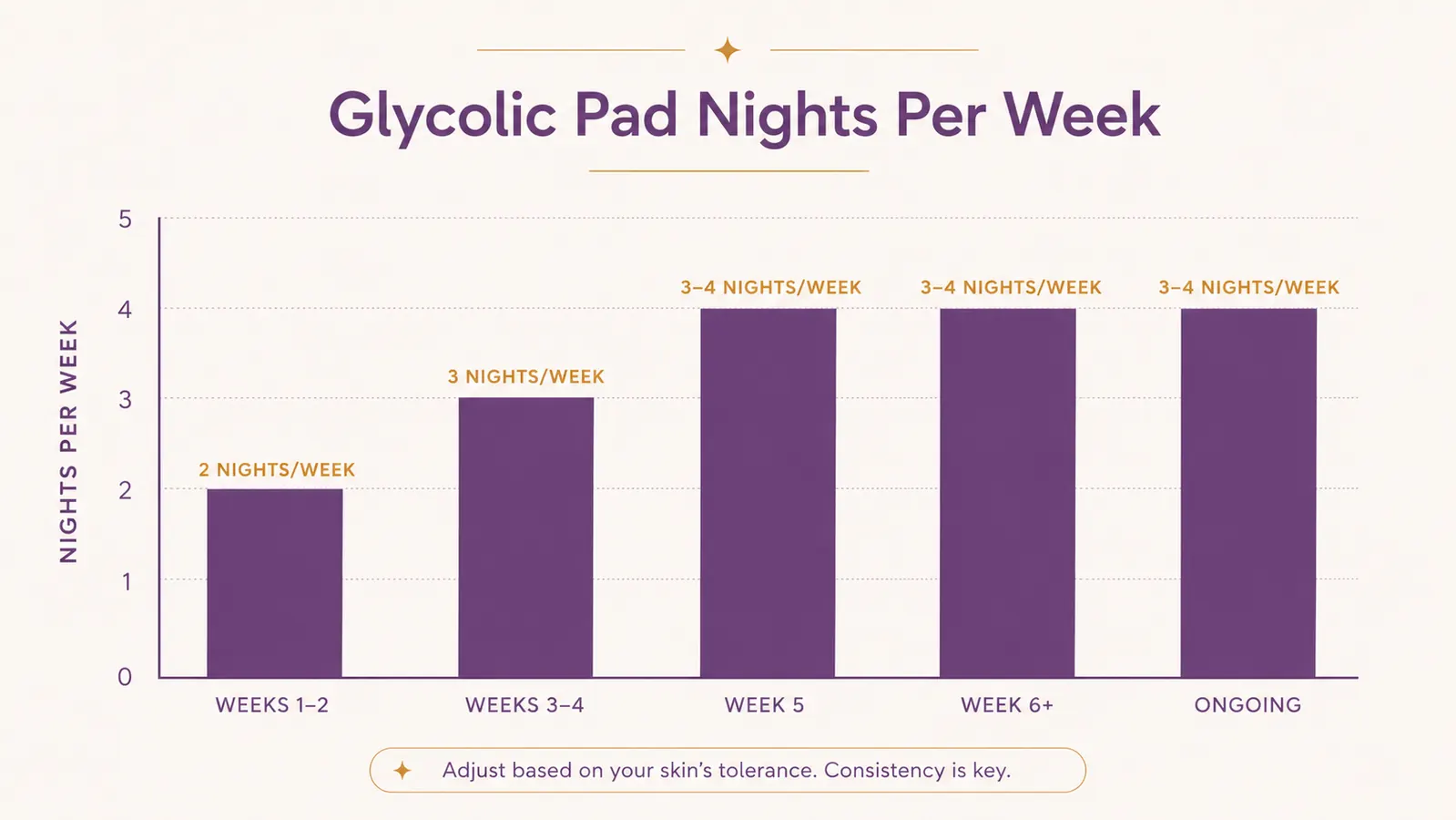
If the patch test comes back clean, don't jump straight to nightly use anyway. I started at twice a week for the first two weeks, spaced out rather than back to back, so I'd have a full rest day between sessions while my skin adjusted. That felt slow at the time. It's the single biggest reason the rest of the routine worked instead of backfiring.
If you're pregnant, breastfeeding, actively using a prescription retinoid, or have any open cuts, sunburn, or an active breakout that's cracked and weeping, hold off and check with a doctor first. Same goes for the week right before or after any kind of facial, wax, or laser treatment. Layering an acid pad on top of skin that's already been worked on is where most of the horror stories I've read online actually start.
Step 2: Time it right in your nightly routine
Glycolic pads go on clean, dry skin, after cleansing, before anything else. If there's leftover sunscreen, makeup, or the day's grime still on your face, the acid spends its energy working through that layer instead of your actual skin. I wash with a gentle cleanser, pat completely dry with a clean towel, and only then reach for the MAREE pad. Damp skin can make the acid feel harsher than it needs to, so give it a minute to fully dry before you start.
This is an evening-only step. Using an acid exfoliant in the morning means you're heading straight out into sun exposure on skin that's more sensitive to it, which is exactly backward. On any night you're using the glycolic pad, skip your retinol, vitamin C serum, or any other exfoliating product. Stacking actives on the same night is the fastest way to end up with the kind of irritation that makes people quit a genuinely good product after one bad week.
I also learned to plan pad nights around my schedule rather than just doing it whenever I remembered. Nights before an early start, when I know I'll be back in the sun within a few hours of waking up, aren't the nights I reach for it. I save it for evenings before a slower morning, so my skin has more overnight recovery time before it's back out in direct light.
Step 3: Master the wipe, then layer what comes after
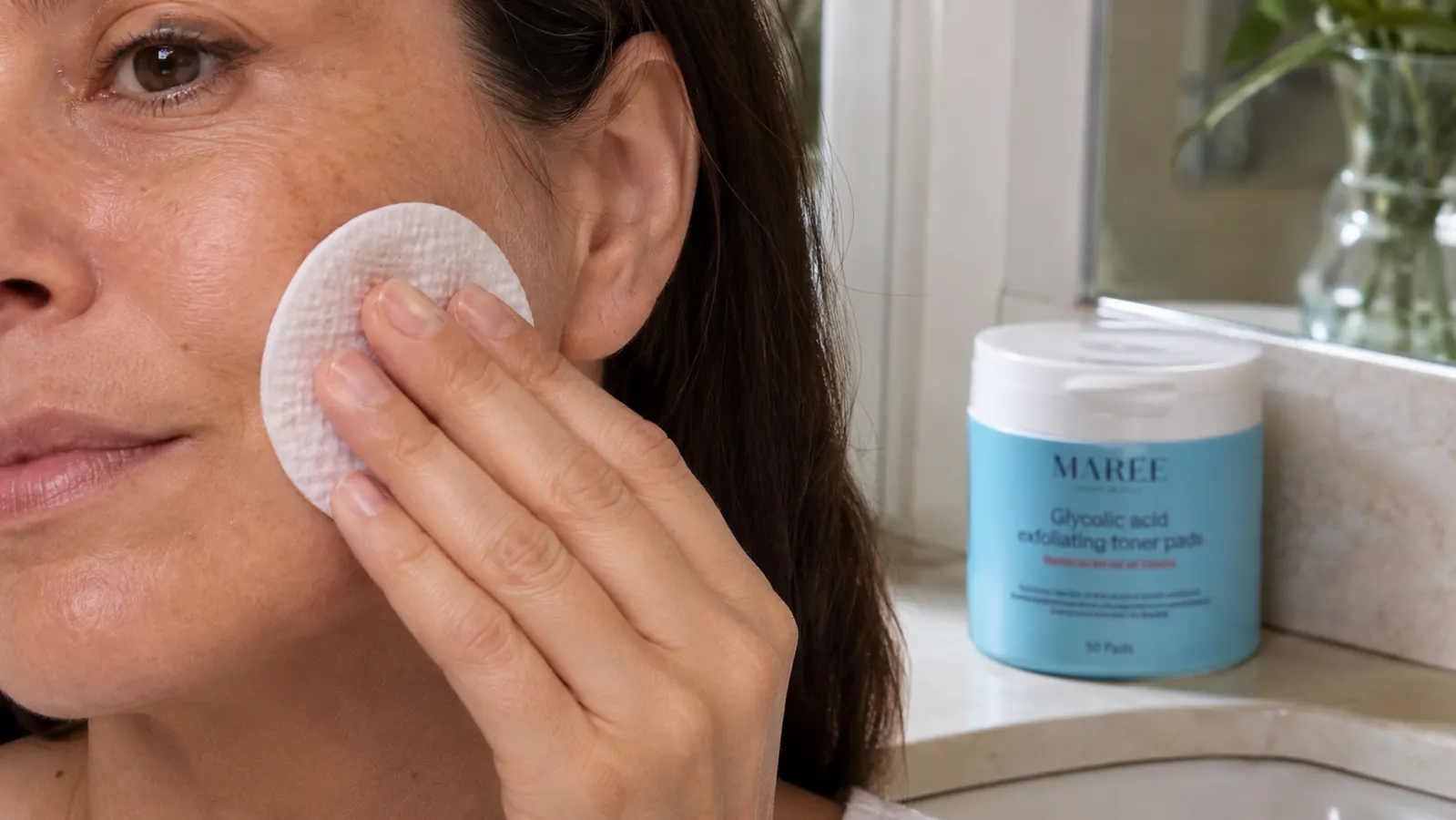
Fold the MAREE pad in half so you get a fresh surface partway through, and work it across your face in sections, forehead, then cheeks, then chin and jawline, in a single light pass rather than scrubbing back and forth. More pressure and more passes doesn't mean more exfoliation, it just means more irritation on the same patch of skin. Keep it away from your eyes and the corners of your lips, both of which are thinner and more reactive than the rest of your face.
Let the pad's residue air dry on your skin for about a minute instead of rinsing it off right away, that's how the acid gets its full contact time. Once it's dry, follow with a plain hydrating serum, something with hyaluronic acid, and then a basic moisturizer to seal everything in and settle any tightness. I don't reach for anything fancy here. A simple hydrator did more to calm my skin after a pad night than any of the trendier serums I'd tried and abandoned over the years.
If your skin is on the more reactive side, there's an easy way to soften the first pass, apply a thin layer of plain moisturizer right before the pad instead of after. That thin buffer layer slows down how fast the acid absorbs without stopping it from working. I used that trick for my first month and only dropped it once I knew how my skin actually reacted.
Step 4: Protect with SPF every single morning after, no exceptions
Glycolic acid makes your skin measurably more sensitive to UV light for at least a day or two after use, and this is the step people skip most often because it doesn't feel connected to the pad they used the night before. For someone getting sun through a windshield for hours at a stretch like I am most weekdays, skipping SPF after a glycolic night isn't a small risk, it's asking for the exact blotchiness and uneven tone I was trying to fix in the first place.
I keep a mineral sunscreen in the cup holder now, which sounded excessive until I actually compared the sun-facing side of my face to the other side in a mirror. Apply it as the last step of your morning routine, after moisturizer, and reapply if you're going to be in direct sun for more than an hour or two. This one habit matters more than which pad you buy or how often you use it.
Regular car glass filters out very little UVA, which is the wavelength most responsible for the slow, uneven tanning and dullness that shows up on one side of a driver's face over the years. A visor helps a little. Sunscreen actually applied every single morning helps a lot more, and it's the difference between the glycolic pad giving you an even, brighter tone and it just trading one kind of dullness for a new patch of sun damage.
Step 5: Track results honestly and know when to dial back
Take a photo in the same spot, same lighting, once a week, ideally your bathroom mirror on a Sunday morning before you've put anything on your face. Day to day changes are nearly invisible, and it's easy to convince yourself nothing is happening when something actually is. By week two I noticed my skin felt smoother under my fingers by midday. By week four the rough patches along my jaw and the small bumps on my chin had visibly shrunk. By week six my overall tone looked more even, less like I'd been staring at a windshield for eight hours a day.
Watch for the signs that you've pushed too far rather than not far enough, persistent redness that's still there the next morning, flaking, or stinging that lasts more than a minute or two after application. If you see any of that, drop back to once a week for a while rather than quitting outright. Most people who say glycolic acid doesn't work for them actually overdid the frequency in week one and never gave their skin a fair shot after that.
Once you're a month or two in with no irritation, it's fine to build up gradually, two nights a week to three, three to four, always leaving at least one night off between sessions. I never went past four nights a week even after my skin adjusted completely. More isn't the goal. Consistent, well-tolerated use over months is what actually changes your skin, not cramming in extra sessions.
What Else Helps
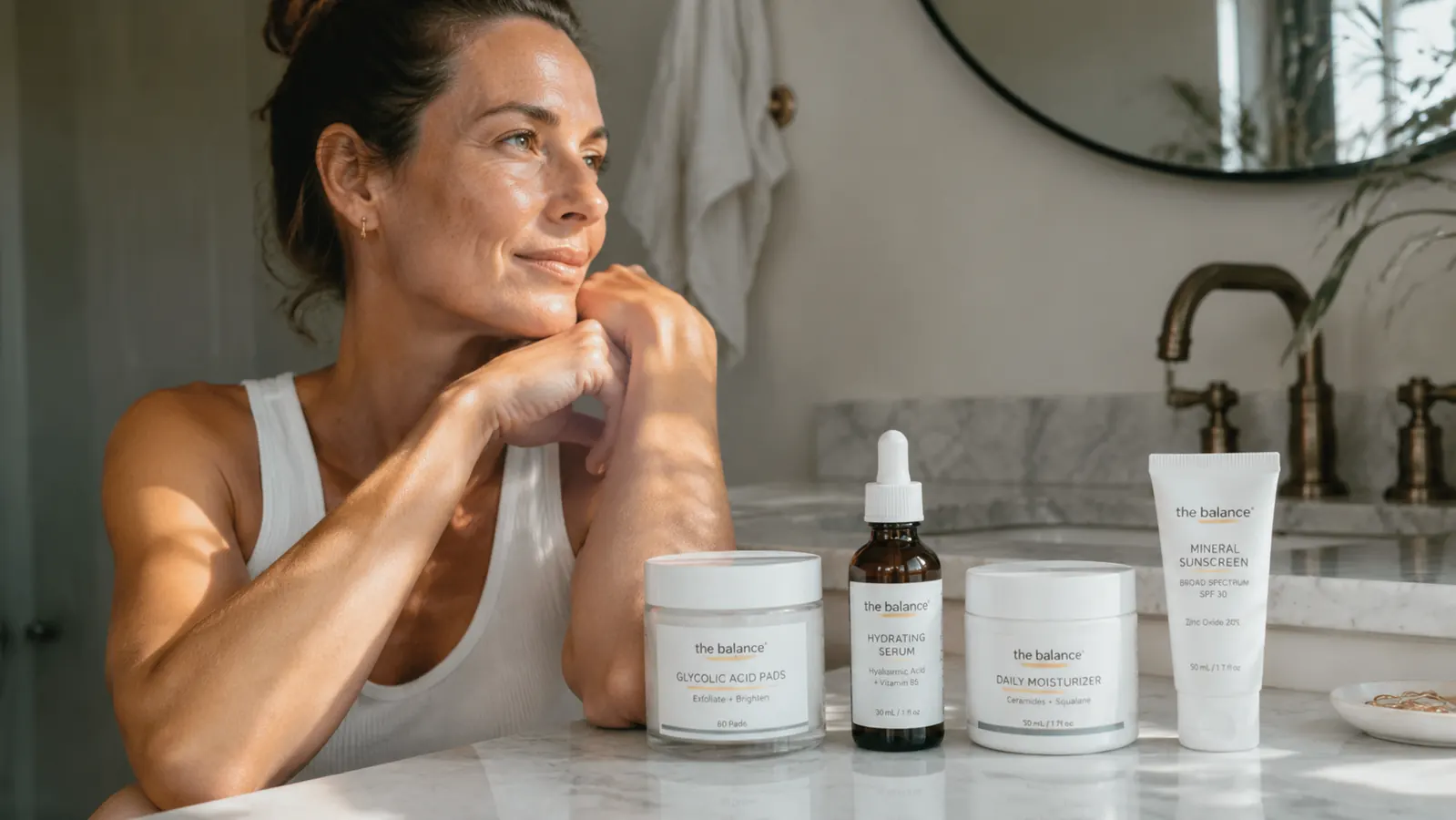
Glycolic pads aren't a replacement for the basics, they're a boost on top of them. Sleep is the one I underrated the most. On the weeks I was running on five or six hours a night, my skin looked duller and more reactive no matter how consistent I was with the pads. A simpler routine also beats a complicated one. My full lineup is a gentle cleanser, the glycolic pad two to four nights a week, a hydrating serum, moisturizer, and SPF every morning. Every time I've added extra steps on top of that, my skin has gotten more irritated, not less.
A couple of small habits outside the routine itself made a real difference too. I changed my pillowcase weekly instead of letting it go a month, which noticeably helped the side of my face I sleep on. And I started wiping down my phone screen and steering wheel more often, since those are two things touching my face and hands all day that I'd never really thought about before. None of that replaces the pads. It just makes the results stick around longer.
Water and diet get talked about more than they probably deserve, in my experience they're a smaller lever than people expect, but staying reasonably hydrated does keep the tightness from a long shift from compounding on top of whatever the acid is already doing. I keep a bottle in the cab and try to actually finish it before I get home, which is a low bar, but it's one more thing working in the same direction as everything else in this routine instead of against it.
The pad did the work. Slowing down, patch testing, and actually protecting my skin the next morning is what let it keep working instead of backfiring.
Build the routine, then use the pad that made it easy to trust
20% glycolic acid plus 2% salicylic acid, listed right on the label, no guessing at strength. That's the reason this one stayed on my counter instead of ending up in a drawer after one rough week.
Amazon Check Today's Price on Amazon →